
Bank of England Holds Interest Rates at 3.75%: What It Means for Businesses
19 June 2026 Reading time: 2 minutes
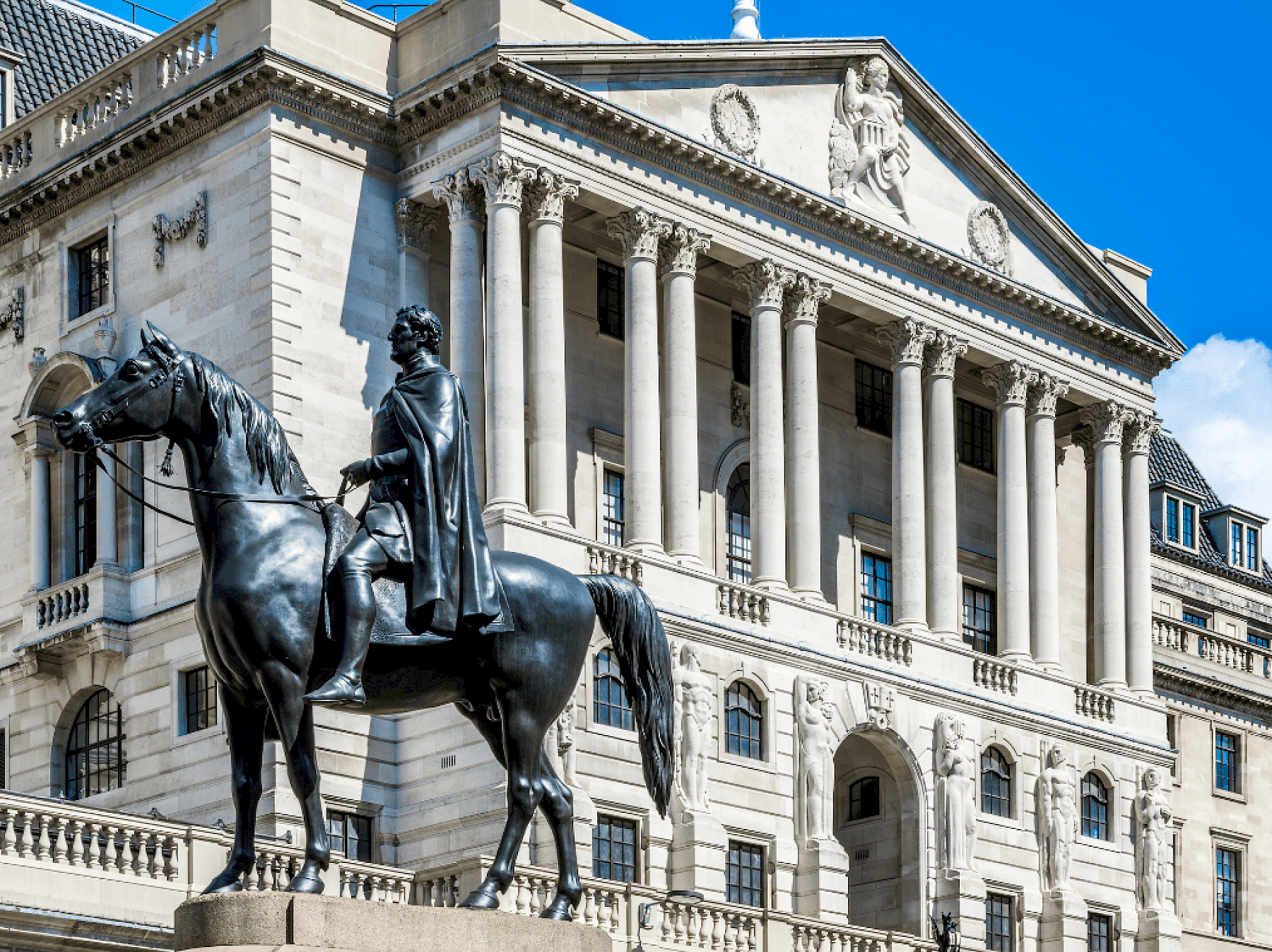
The Bank of England has announced that it will keep the Bank Rate at 3.75%, choosing not to make any changes while it continues to monitor inflation and the wider economy.
Although inflation has eased significantly from previous highs, there are still a number of uncertainties that could affect future price rises, particularly ongoing disruption to global energy markets.
Why have interest rates stayed the same?
One of the biggest concerns is the continuing conflict in the Middle East, which has disrupted the transportation and supply of energy.
This initially caused energy prices to rise sharply, increasing the cost of fuel and household energy bills. While prices have since fallen from their peak, the situation remains unpredictable, making it difficult to know how energy costs will develop over the coming months.
Because higher energy prices affect both households and businesses, they can have a wider impact across the economy.
Inflation is falling, but risks remain
UK inflation has fallen to 2.8%, moving much closer to the Bank of England's 2% target.
However, the Bank expects inflation to rise again in the near term as higher energy costs begin filtering through the economy.
For businesses, increased energy bills can lead to higher operating costs, which may result in higher prices for customers. At the same time, employees facing increased living costs may seek higher wages, adding further pressure on employers.
How much inflation rises will largely depend on how long energy prices remain elevated.
The labour market is helping ease inflation pressures
There are some encouraging signs.
Demand for workers has cooled compared to previous years, meaning employers may face less pressure to offer significant pay increases. In addition, interest rates remain considerably higher than they were before recent global events, helping to reduce spending and slow inflation over time.
These factors could help limit the longer-term impact of rising energy prices.
What happens next?
The Bank of England has made it clear that monetary policy cannot control global energy prices or international conflicts.
Instead, its role is to ensure temporary price shocks do not become permanent inflation problems across the wider economy.
For now, policymakers will continue to monitor economic conditions closely. Future interest rate decisions will depend on how inflation develops over the coming months, with the Bank remaining committed to returning inflation sustainably to its 2% target over the medium term.
What this means for businesses
Holding interest rates at 3.75% provides some short-term stability for businesses and households. However, uncertainty around energy prices means firms should continue to monitor their costs, review pricing strategies where appropriate, and keep an eye on future Bank of England announcements.
While inflation is moving in the right direction, businesses should remain prepared for continued economic uncertainty as the Bank balances supporting growth with bringing inflation back under control.



 Arrange a Callback