
VAT Returns for Small Businesses
10 December 2025 Reading time: 4 minutes
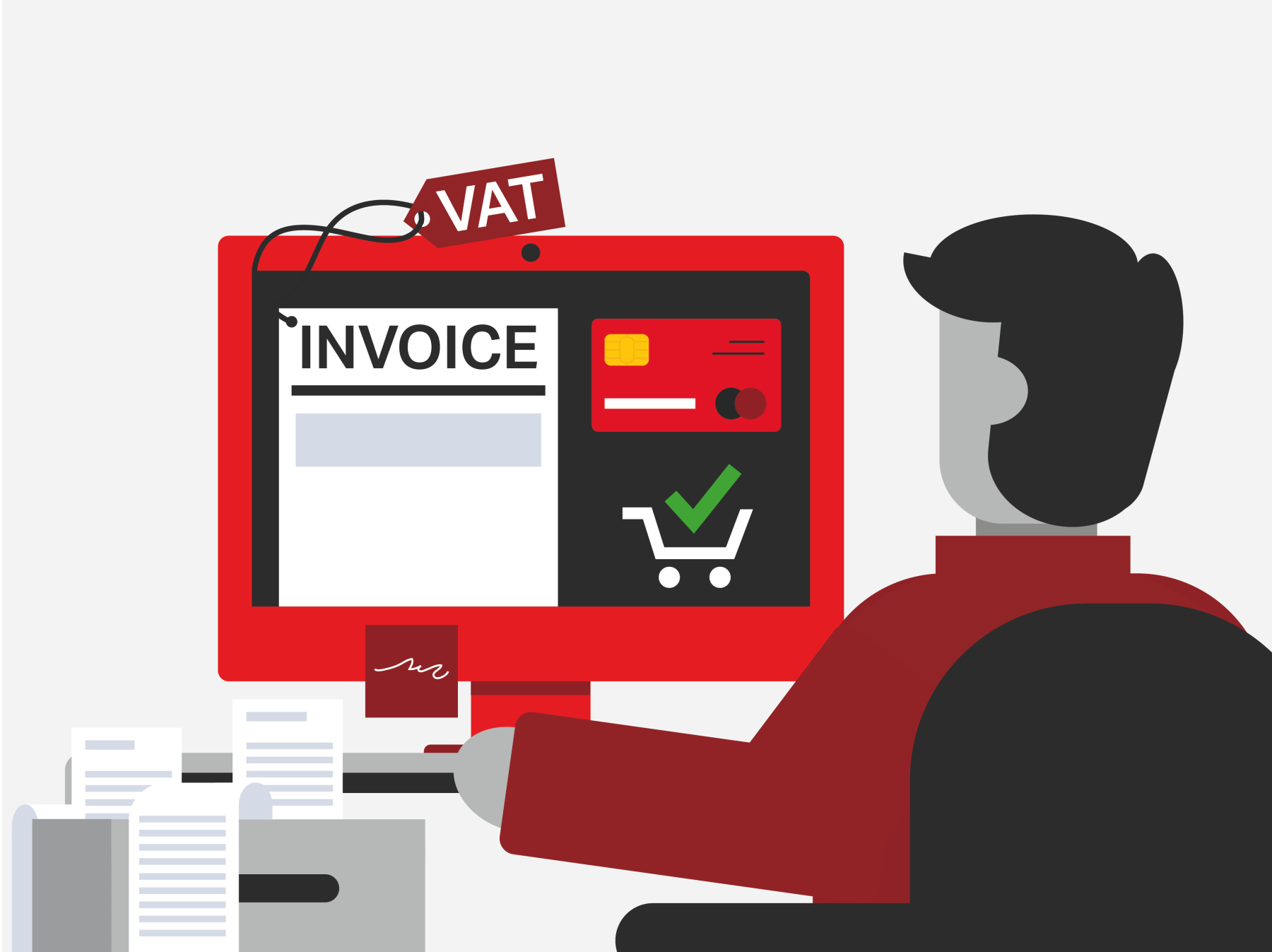
Whether you’ve noticed your turnover creeping closer to the £90,000 VAT threshold, your expenses are coming with more and more added VAT, or you’re simply looking to improve your business credibility, now is a good time to understand how VAT works and whether registration could benefit you.
For many small businesses, VAT isn’t just a compliance step — it can actually streamline your finances, boost your professional image, and even save you money when managed properly.
What Is a VAT Return?
A VAT Return is a report you submit to HMRC, usually every three months, showing the VAT your business has:
-
Charged customers on sales (output VAT)
-
Paid on business purchases (input VAT)
The difference between these two amounts determines whether you pay HMRC or receive a refund.
It’s essentially a way of keeping HMRC informed about how much VAT your business owes or can reclaim, and most businesses now submit VAT returns digitally through Making Tax Digital (MTD)-compliant software.
When Do You Need to Register for VAT?
You must register when:
Your VAT-taxable turnover exceeds £90,000. This still applies if you expect to exceed the threshold in the next 30 days.
This is the VAT registration threshold (as of 2025). It’s based on a rolling 12-month period — not your tax year, calendar year, or financial year. If you go over it, you must register within 30 days.
Voluntary VAT Registration
Some businesses choose to register before reaching the threshold as they can:
- Reclaim VAT on business expenses, reducing costs.
- Increase credibility - Being VAT registered can make your business appear more established or professional (common for creative freelancers and B2B service providers).
- Scale easier - you're already VAT-ready when turnover grows.
However, voluntary registration isn’t always beneficial for businesses selling mostly to the general public who cannot reclaim VAT.
VAT Schemes: Standard vs. Flat Rate
There are two main options for small businesses:
1. Standard VAT Accounting
You charge VAT on sales, reclaim VAT on expenses, and report the difference.
Best for businesses with:
- Lots of VAT-able expenses
- Large equipment purchases
- High input VAT to reclaim
- Good bookkeeping habits
2. Flat Rate Scheme (FRS)
You charge VAT at the standard rate (usually 20%), but you pay HMRC a fixed percentage of your gross turnover, depending on your industry.
You don’t reclaim VAT on most purchases, but you keep the difference between what you charge and the flat rate you pay.
Best for businesses with:
- Low expenses
- Simple operations
- Service-based work
- Desire for easier admin
How to Do Your VAT Return: Bookkeeping Essentials
Your VAT return will only be accurate if your bookkeeping is accurate. Make sure to:
1. Keep Every VAT Receipt or Invoice
“No receipt, no VAT to reclaim” isn’t just an accountant’s cliché — HMRC can and does disallow claims where evidence isn’t available.
For a receipt to be valid for VAT purposes, it must show:
- Supplier name
- Date
- VAT amount
- VAT number (for receipts over £250)
- Description of the goods/services
2. Upload Receipts to Your Accounting Software Immediately
The quickest way to stay compliant is to remove the backlog. As soon as you get a receipt: Photograph it. Upload it. Categorise it correctly.
Why this matters:
- Digital records fulfil MTD requirements
- Eliminates end-of-quarter chaos
- Helps prevent missed VAT claims
- Keeps your accountant/bookkeeper happy (and your bill lower!)
3. Track These VAT-Relevant Transactions Carefully
You may be able to reclaim VAT on:
-
Business supplies & materials – art supplies, packaging, consumables, tools
-
Software & subscriptions – Adobe, accounting software, hosting, digital tools
-
Equipment – computers, monitors, office furniture, peripherals
-
Travel & accommodation – fuel, trains, taxis, business hotels (note: some travel VAT is restricted; client entertainment isn’t reclaimable)
-
Professional services – accountants, legal fees, consultancy
-
Telephone & internet – business portion only
-
Stock & resale goods – depending on your business type
4. Watch Out for Common VAT Mistakes
- Reclaiming VAT on non-VAT receipts (e.g., from small unregistered suppliers)
- Mixing personal and business expenses
- Forgetting to adjust for partial exemption (if you sell both VAT-able and VAT-exempt goods)
- Missing reverse-charge requirements for some overseas services
- Claiming VAT on motor cars (usually not allowed)
5. Review Before Filing
Before submitting your return, ask yourself:
Have all receipts been uploaded?
Are all invoices sent and recorded?
Are there any duplicate transactions?
Are you claiming VAT only on valid items?
A quick review can prevent HMRC errors or penalties.
Want to Minimise Your Accounting Hours?
If VAT returns feel like they take too much time out of your month, you don’t have to manage it alone.
Let us handle the bookkeeping and VAT submissions so that you can:
- Spend more time running your business
- Reduce stress around deadlines
- Avoid penalties and costly mistakes
- Stay compliant with MTD
- Enjoy a smoother, stress-free workflow year-round
Just send over your receipts — we’ll do the rest.


 Arrange a Callback