

Credit Control: Are Unpaid Invoices Putting Pressure on Your Business?
13 May 2026 Reading time: 3 minutes
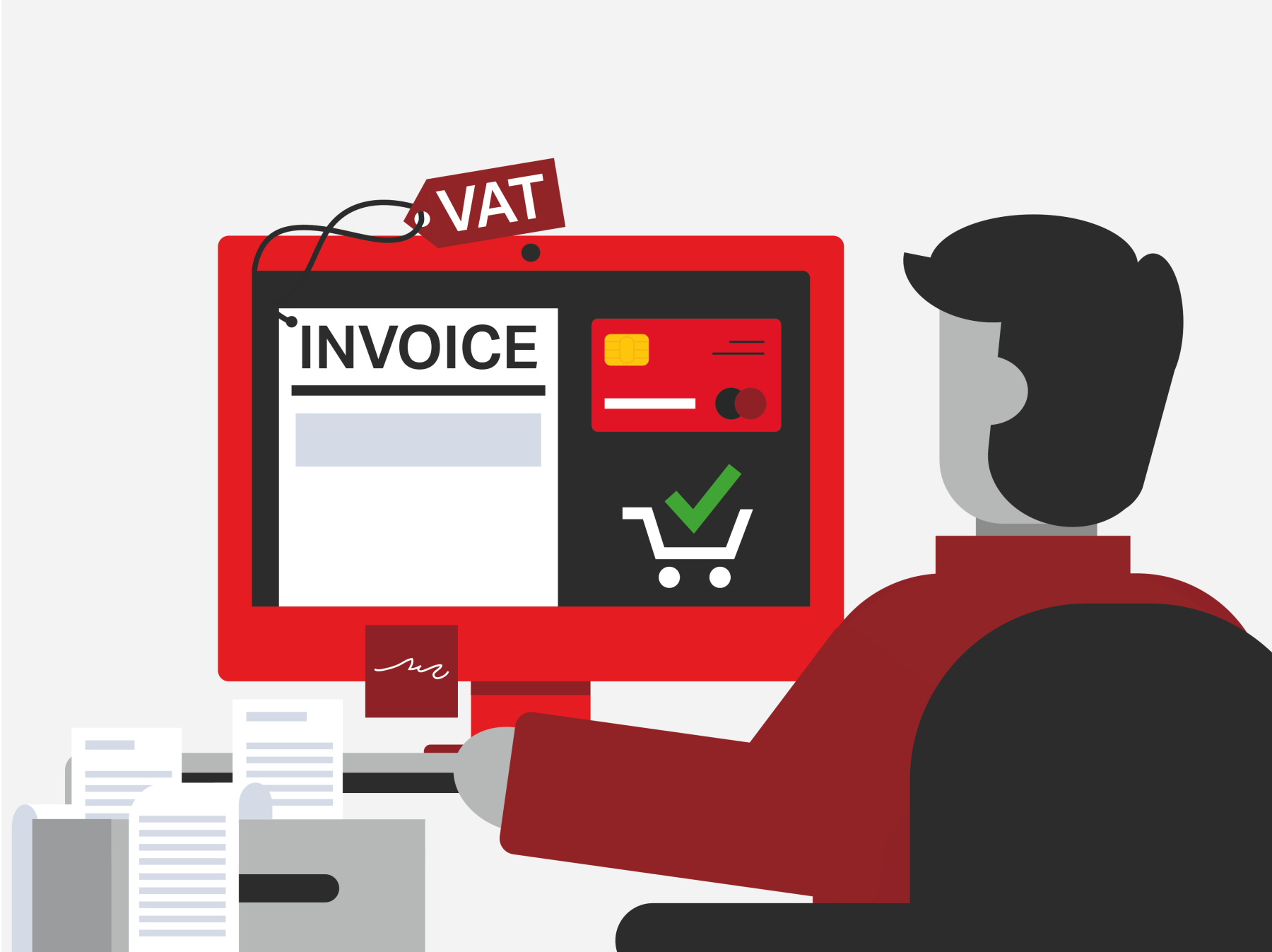
Running a business lately has felt a bit like trying to keep a kettle boiling while the price of electricity changes every five minutes. Costs keep edging up, customers are taking their time, and cash flow is… well, often more “aspirational” than actual.
In that environment, credit control stops being an admin task and starts behaving more like a survival skill.
Because when businesses hit trouble, it’s rarely because they aren’t making sales on paper. It’s usually because the money from those sales is still on its way somewhere between “invoice sent” and “maybe next month”.
Meanwhile, HMRC doesn’t accept payment plans in vibes. VAT, PAYE and suppliers still want paying on time, whether your customers have opened their emails or not.
One late-paying customer can feel like a small inconvenience. One large late-paying customer can quietly turn into a cash flow headache you didn’t ask for.
So what actually keeps things under control?
Agree Payment Terms and Issue Invoices Promptly
The slightly uncomfortable truth is that credit control doesn’t begin when you chase a late payment. It begins when you agree the job.
Clear payment terms, agreed upfront, are less about being strict and more about setting expectations before anyone gets emotionally attached to “we’ll sort it later”.
Then there’s timing. If you wait until the end of a project to invoice everything in one go, you’re essentially choosing to extend your own credit terms without being asked.
The sooner an invoice goes out, the sooner it can start its journey through someone else’s approval process (which is rarely quick, but at least it has started).
Enforce Your Terms Consistently
If you don’t enforce terms, they don’t really exist and this is the part that feels slightly awkward in practice.
You can write “14 days” on every invoice you send, but if nothing happens until day 45, the real terms are not 14 days. They are “whenever someone gets around to it”.
And businesses are remarkably good at adapting to whatever tolerance you show them.
Chasing payment promptly doesn’t make you difficult to work with, it makes you consistent. Most well-run businesses expect it, and frankly, plan for it.
The trick is tone. Keep it professional, keep it routine, and avoid treating it like a confrontation. You’re not asking for a favour, you’re reminding someone of an agreement they already accepted.
Spot Issues Early
One of the more useful side-effects of credit control is that it acts as an early warning system.
A normally reliable customer who suddenly starts paying late isn’t just “a bit behind”. Something has usually changed.
Sometimes it’s admin. Sometimes it’s internal delays. Sometimes it’s the early stage of cash flow pressure on their side.
The point isn’t to panic, it’s to notice.
Because once you notice, you still have options:
- tighten terms
- request payment upfront
- pause further work
- reduce exposure before it becomes a probl
By the time you’re wondering if you should do any of those things, you’ve usually already left it slightly later than ideal.
Make Credit Control Routine
Making credit control a regular part of your week will significantly improve your cash flow process.
A weekly review of outstanding invoices, a standard reminder process and a bit of automation where possible helps take the emotion out and let the routine in.
Most accounting software will happily take over a good chunk of this now.
Businesses that take credit control seriously are less likely to face sudden cash crises.
It is not about mistrusting customers, but rather helping ensure that the value you create for your customers is turned into cash in a timely and reliable way. Credit control can be the difference between growth and constant firefighting.


 Arrange a Callback